
RV Fuel Theft Prevention: How to Protect Your Motorhome from Fuel Siphoning
If you own an RV motorhome, your fuel tank is one of the most valuable — and most vulnerable — things on your rig. A Class A motorhome can carry 50 to 150 gallons of diesel fuel, worth anywhere from $250 to $750 at today’s prices. And unlike your car sitting in a locked garage, your RV often sits in campgrounds, rest stops, storage facilities, and driveways — places where fuel thieves operate under cover of darkness.
The RV Fuel Theft Problem by the Numbers
$4.8 Billion
Annual fuel theft losses in the U.S. (NHTSA estimate)
150 Gallons
Typical Class A diesel tank capacity — a single theft can cost $500+
< 60 Seconds
Time to siphon 20+ gallons with a battery-powered pump
Why Are RV Motorhomes Prime Targets for Fuel Theft?
RVs are uniquely vulnerable to fuel theft for several reasons:
- 1. Massive fuel tanks. An RV carries 5–15x more fuel than a passenger car. One theft yields a huge payout for a thief.
- 2. No factory security. Most RV chassis (Ford F53, Ford E-450, Workhorse) come with a simple spring-loaded fuel door and a non-locking gas cap. There is zero theft deterrence from the factory.
- 3. Unattended for long periods. RVs spend weeks or months in storage lots, driveways, and campgrounds — often far from security cameras or lighting.
- 4. Easy access. Fuel doors on RVs are at a comfortable working height. A thief can stand next to your motorhome and siphon fuel without crouching under the vehicle.
- 5. Diesel is expensive. With diesel prices averaging $3.50–$5.00+ per gallon, stealing 50 gallons nets a thief $175–$250 in minutes.
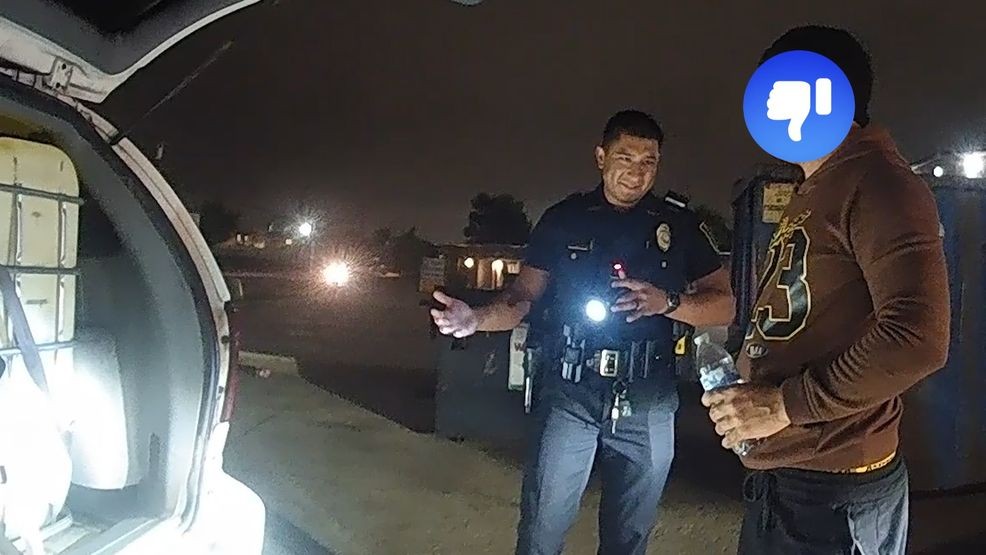
Fuel theft from motorhomes is a growing problem at campgrounds and storage facilities across the country.
Common RV Fuel Theft Methods
Understanding how thieves steal fuel helps you understand why most “prevention” products don’t actually work:
Siphoning
The classic method. A thief inserts a hose into the fuel filler neck and uses gravity or a battery-powered pump to drain your tank. A $20 pump from any hardware store can extract 10 gallons per minute.
Prying the Fuel Door
Factory fuel doors are held by a simple spring catch. A flathead screwdriver or even a credit card can pop most factory fuel doors open in seconds.
Fuel Contamination
Not all fuel theft is about stealing gas. Vandals have been known to pour sugar, water, bleach, or sand into fuel tanks — causing thousands of dollars in engine damage.
Drilling the Tank
In extreme cases, thieves drill into the fuel tank from underneath the vehicle and catch the draining fuel in containers. This causes tank replacement costs of $2,000–$5,000+.
Why Locking Gas Caps Don’t Work for RVs
Locking gas caps are the most common “solution” people try first. Unfortunately, they provide minimal protection for RV motorhomes:
- ✘They only block the fuel filler opening — the fuel door itself remains unsecured
- ✘A thief can pry open the fuel door and damage the filler neck even with a locked cap
- ✘Many locking caps can be defeated with pliers or a pipe wrench in under 30 seconds
- ✘They don’t prevent fuel contamination — someone can pour substances around or past the cap
- ✘Cheap plastic construction degrades in UV light, often cracking within 1–2 years
The Solution: The RV Fuel Vault Locking Fuel Door
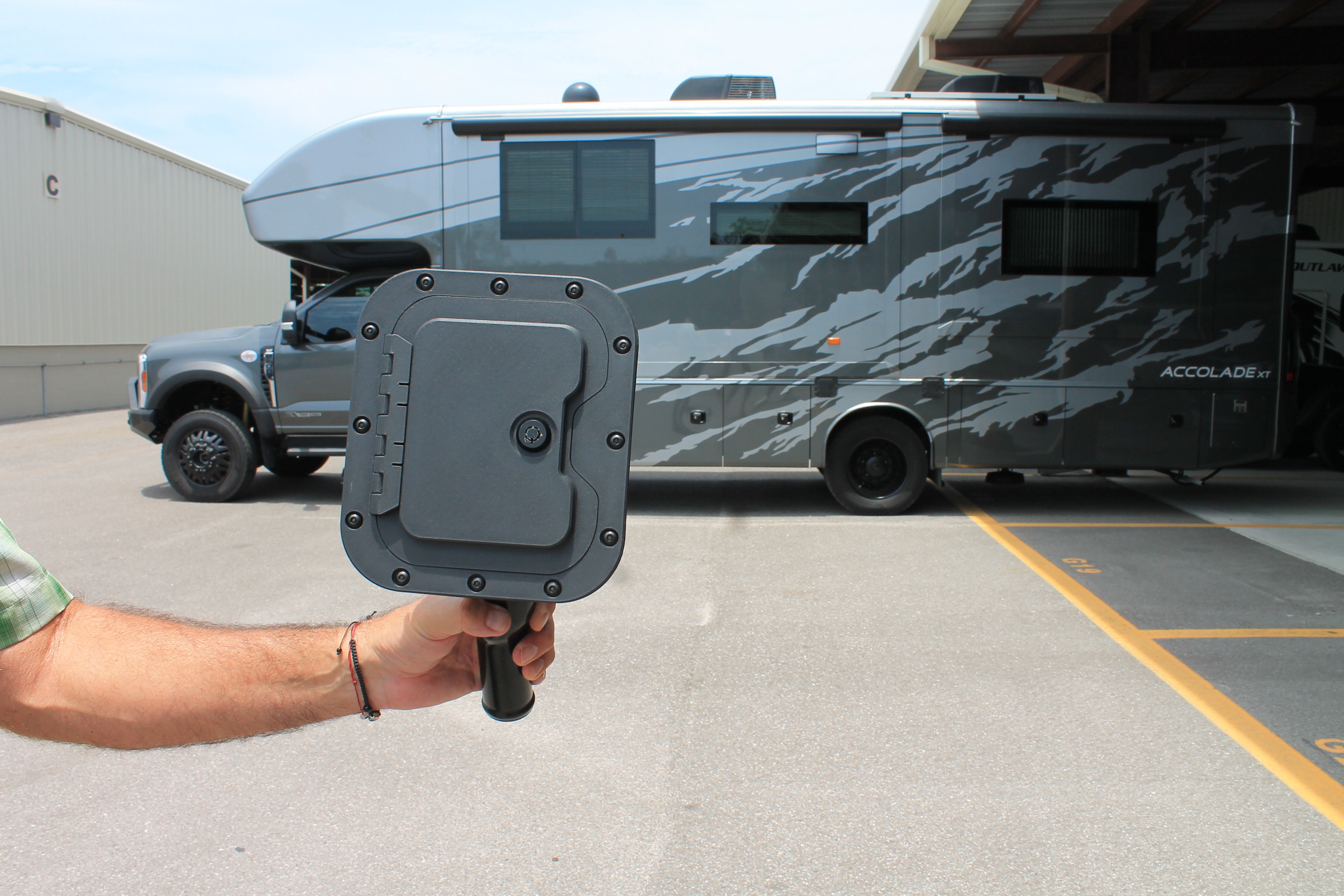
The RV Fuel Vault from Gas Protector is a complete locking fuel door that covers the entire exposed fuel cap area — not just the cap. It adds a heavy-duty, keyed security door that locks over the vulnerable exposed cap.
Compatible RV Motorhome Brands
The RV Fuel Vault fits most popular motorhome brands built on Ford and Workhorse chassis:
RV Fuel Theft Prevention FAQ
Can someone siphon gas from my RV if I have a locking gas cap?
A locking gas cap only blocks the filler neck opening. A determined thief can still pry open the factory fuel door, damage the filler assembly, or insert a slim hose past the cap. A locking fuel door from Gas Protector eliminates the entire attack surface by replacing the factory door with a locked, tamper-resistant panel.
How do I protect my RV fuel at a campground?
The most effective protection is a Gas Protector locking fuel door. Additionally, park with your fuel door facing toward your campsite or other occupied areas, use motion-activated lights, and avoid leaving your RV unattended at remote sites for extended periods.
Does the locking fuel door fit a Class A motorhome?
Yes. The RV Fuel Vault fits Class A motorhomes built on the Ford F53 chassis, as well as Class C motorhomes on Ford E-350/E-450 cutaway chassis and Super C motorhomes on Ford F-550 chassis.
How much fuel can a thief steal from an RV?
A Class A motorhome typically has a 80–150 gallon diesel tank. With a battery-powered pump, a thief can extract 10+ gallons per minute. In 10–15 minutes, they can drain most or all of your tank — stealing $250–$750+ worth of fuel.
Is RV fuel theft covered by insurance?
Most RV insurance policies do not specifically cover fuel theft. Even if they do, the deductible often exceeds the value of a single theft. Fuel contamination damage (from sugar or water poured into the tank) may be covered under comprehensive, but expect a significant deductible and potential premium increase.